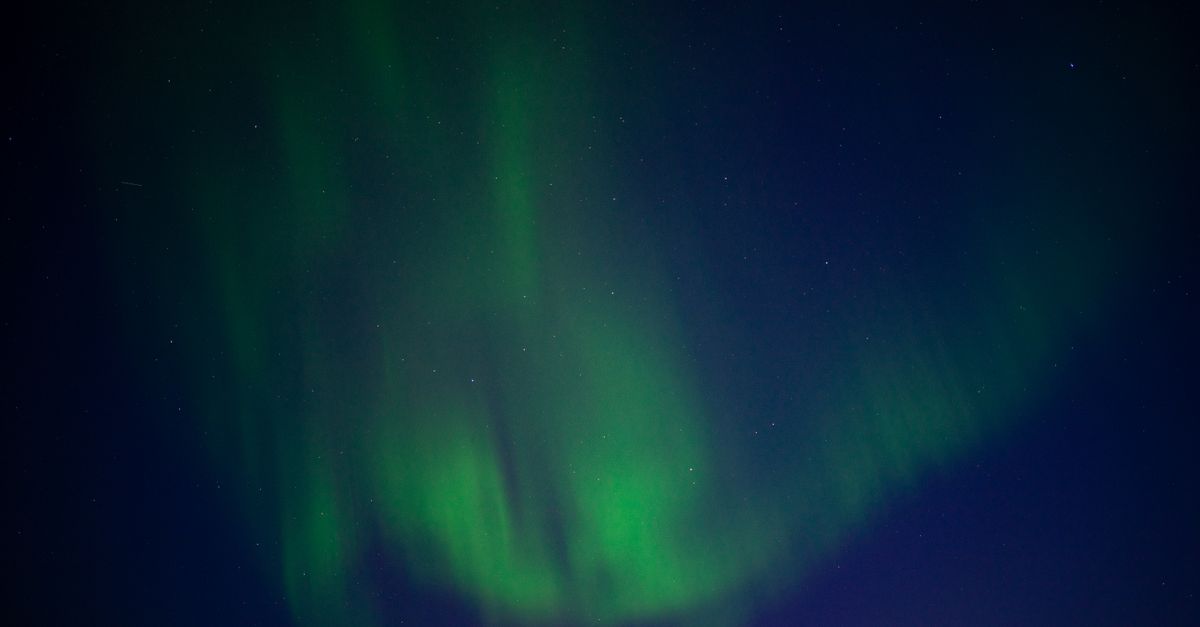
Photo by Oliver Schröder on Pexels
The Best Time to See the Northern Lights in 2026 (Month-by-Month + Where to Go)
The best time to see the northern lights is during the dark winter months from September through March, when clear skies and optimal solar activity create perfect conditions for aurora viewing. As we head into 2026, understanding the seasonal patterns and choosing the right destination can make the difference between a once-in-a-lifetime experience and a disappointing trip staring at cloudy skies.
The aurora borealis occurs when charged particles from the sun interact with Earth's magnetic field, creating those spectacular dancing curtains of green, purple, and blue light. But timing is everything – you need dark skies, clear weather, and solar activity to align perfectly. Let's break down exactly when and where to see the northern lights in 2026.
Peak Aurora Season: September to March
The northern lights are technically active year-round, but you can only see them when it's dark enough. In the Arctic regions where aurora viewing is best, the midnight sun during summer months makes aurora spotting impossible from May through August. The optimal viewing window runs from late September through late March, with the darkest months of December and January offering the longest viewing windows each night.
According to climate data from Weather Atlas, the Arctic regions experience their clearest skies during the coldest months, typically January through March, when high-pressure systems dominate and cloud cover is minimal. However, this comes with the trade-off of extremely cold temperatures, often reaching -20°F to -40°F (-29°C to -40°C) in prime viewing locations.
Month-by-Month Aurora Guide for 2026
September 2026: Early Season Starts
September marks the beginning of aurora season as darkness returns to the Arctic. While nights are still relatively short, you'll have viewing windows from around 10 PM to 4 AM. Weather can be unpredictable with more cloud cover than later months, but temperatures are more comfortable for extended outdoor viewing. This is an excellent time for beginners who want to experience the northern lights without dealing with extreme cold.
October 2026: Optimal Balance
October offers one of the best combinations of dark hours and manageable weather conditions. Nights extend from around 8 PM to 6 AM, giving you plenty of viewing time. According to climate data from Climate-Data.org, October typically sees fewer cloudy days than September while maintaining temperatures that won't freeze your camera batteries instantly.
November 2026: Darkness Increases
As winter approaches, November provides longer viewing windows with darkness from around 5 PM to 8 AM in northern locations. The weather becomes more challenging, but clear nights offer spectacular aurora displays. This month often sees increased solar activity as we move toward winter solstice.
December 2026: Peak Darkness
December offers the longest nights and most viewing hours, with some locations experiencing nearly 24-hour darkness around the winter solstice. While cloud cover can increase due to winter weather systems, clear nights provide maximum opportunity for aurora viewing. Temperatures drop significantly, requiring proper winter gear.
January 2027: Coldest but Clearest
January typically provides the clearest skies of aurora season, with high-pressure systems dominating Arctic weather patterns. While temperatures are at their coldest, the combination of long dark nights and minimal cloud cover makes this a prime month for serious aurora hunters willing to brave the elements.
February 2027: Excellent Conditions
February maintains the clear sky advantages of January while offering slightly warmer temperatures and longer daylight hours for daytime activities. This month often provides the best overall experience, balancing excellent aurora viewing conditions with manageable weather.
March 2027: Season Finale
March marks the end of peak aurora season as daylight hours increase rapidly. Early March can still offer excellent viewing, but by late March, nights become too short for optimal aurora spotting. Weather begins to moderate, making it more comfortable for travel.
Where to See the Northern Lights: Top Destinations
Reykjavik, Iceland
Iceland's capital offers one of the most accessible northern lights experiences, with excellent infrastructure and tour options. Located at 64°N, Reykjavik sits perfectly in the aurora zone while providing urban amenities and backup indoor activities when weather doesn't cooperate. According to Voyica's weather data compiled from multiple meteorological sources, Iceland experiences relatively mild winter temperatures compared to other aurora destinations, typically ranging from 20°F to 35°F (-7°C to 2°C).
The city serves as an excellent base for aurora hunting, with numerous tour companies offering northern lights excursions to darker areas outside the city. Iceland's dramatic landscapes – from glaciers to geysers – provide stunning foreground elements for aurora photography.
Tromsø, Norway
Located at 69°N, Tromsø sits directly under the aurora oval and is often called the "Northern Lights Capital." The city offers a perfect combination of excellent aurora viewing probability and comfortable accommodations. Weather data shows Tromsø experiences aurora-visible nights approximately 200 days per year when skies are clear.
Tromsø's location above the Arctic Circle means extended periods of darkness during winter months, providing lengthy viewing windows. The city also offers unique aurora viewing experiences, including aurora camps and glass igloos for comfortable viewing in extreme temperatures.
Rovaniemi, Finland
Rovaniemi, the official hometown of Santa Claus, provides excellent northern lights viewing opportunities combined with unique Arctic experiences. Located at 66°N on the Arctic Circle, the city offers reliable aurora sightings during peak season. According to tourism data, Rovaniemi experiences clear skies suitable for aurora viewing approximately 150 nights per year.
Finnish Lapland's dry climate often produces clearer skies than coastal Norwegian locations, though temperatures can be more extreme. The region offers distinctive aurora viewing experiences, including stays in glass igloos and traditional Sami cultural activities.
Fairbanks, Alaska
Fairbanks sits at 65°N under the aurora oval, offering some of the world's most reliable northern lights viewing. The city's interior location means extremely cold but often clear winter conditions. Local aurora forecasting services report visible aurora activity on over 240 nights per year when skies are clear.
Alaska's vast wilderness provides unlimited options for finding dark skies away from light pollution. The state's tourism infrastructure caters specifically to aurora tourism, with numerous specialized lodges and tour operators.
Planning Your Northern Lights Trip
Weather and Cloud Cover
Clear skies are essential for aurora viewing, making weather forecasting crucial for trip planning. Coastal areas like Norway's fjord regions often experience more cloud cover due to maritime climate influences, while interior locations like Fairbanks tend to have drier, clearer conditions but more extreme temperatures.
Solar Activity and Aurora Forecasts
Aurora intensity depends on solar activity, which follows an 11-year cycle. The next solar maximum is expected around 2025-2026, potentially making 2026 an exceptional year for aurora viewing. Several websites and apps provide 3-day aurora forecasts based on solar wind data and geomagnetic activity predictions.
Light Pollution Considerations
Even small amounts of light pollution can significantly impact aurora visibility. Plan to travel at least 20-30 miles outside major cities for optimal viewing. Many tour operators offer transportation to designated dark sky locations with minimal light pollution.
Photography Tips
Aurora photography requires specific camera settings and equipment. A DSLR or mirrorless camera with manual controls, a sturdy tripod, and extra batteries (cold weather drains batteries quickly) are essential. Typical settings include ISO 1600-3200, aperture f/2.8 or wider, and exposure times of 10-20 seconds.
Costs and Budget Planning
Northern lights trips can range from budget-friendly to luxury experiences. According to cost data compiled by Voyica from sources like Numbeo and Expatistan, Iceland generally offers the most expensive accommodation and dining options, while Finnish Lapland provides more moderate pricing. Norway falls somewhere in between, with costs varying significantly between cities and rural areas.
Budget travelers can expect to spend $100-200 per day including accommodation, meals, and local transportation. Mid-range travelers typically budget $200-400 per day, while luxury aurora experiences can cost $500+ per day. Northern lights tours range from $50 for basic group excursions to $500+ for private photography tours.
Plan Your Northern Lights Adventure
Ready to chase the aurora borealis in 2026? Use Voyica's interactive map to compare northern lights destinations across 73+ factors including weather patterns, costs, safety, and seasonal conditions. Our platform helps you find the perfect balance of aurora viewing probability, budget requirements, and travel preferences.
Explore aurora destinations on Voyica's map to compare real-time data on weather, accommodation costs, and seasonal travel conditions for all major northern lights viewing locations. Start planning your unforgettable aurora adventure today.
Liked this guide?
Get one email a month with new city data, rankings and where your money goes furthest.
No spam, unsubscribe anytime. See our Privacy Policy.