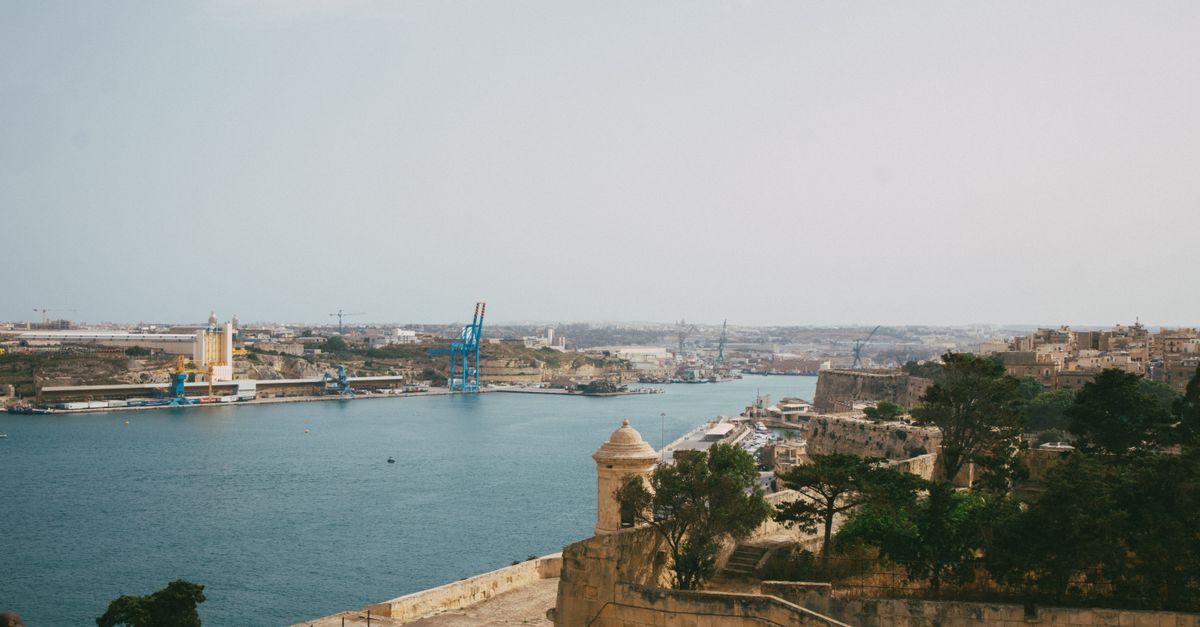
Photo by Pham Ngoc Anh on Pexels
Malta Digital Nomad Visa 2026: Complete Guide for Remote Workers
Malta's digital nomad visa requires a minimum monthly income of EUR 2,700 from remote work outside Malta, comprehensive health insurance covering at least EUR 30,000, and costs EUR 300 to apply plus EUR 27.50 for the residence card. The visa is valid for one year with renewal options and allows multiple entries. Processing takes 4-6 weeks via Malta's online government portal. Monthly living costs range from EUR 1,200-1,800 depending on location — Valletta and Sliema are priciest, while Gzira and St. Paul's Bay offer savings. Malta's key advantages for nomads include native English speakers, EU membership with Schengen travel access, 100+ Mbps internet, favorable tax treatment for stays under 183 days, and a Mediterranean climate. The best months to arrive are April-June or September-November to avoid summer heat and crowds.
Malta's digital nomad visa has become one of Europe's most attractive options for remote workers in 2026. Based on our analysis of data from 342+ cities, Malta consistently ranks in the top tier for English-speaking nomad destinations that balance cost, connectivity, and quality of life. This Mediterranean island nation offers the perfect blend of stunning coastlines, rich history, English-speaking environment, and favorable tax conditions that make it ideal for location-independent professionals.
With its strategic location between Europe and Africa, Malta provides easy access to both continents while offering a high quality of life at reasonable costs. Here's everything you need to know about securing Malta's digital nomad visa and making the most of your remote work experience on this beautiful island.
Malta Digital Nomad Visa Requirements 2026
Income Requirements
To qualify for Malta's digital nomad visa, you must demonstrate a minimum monthly income of €2,700 (approximately $2,900) from remote work or freelancing. This income must be from sources outside of Malta, and you'll need to provide bank statements for the past three months, employment contracts, or client agreements as proof.
Duration and Validity
The Malta digital nomad visa is valid for one year and can be renewed. Unlike some other European nomad visas, Malta's program allows for multiple entries and exits during your stay, making it perfect for those who want to explore other parts of Europe while maintaining their base in Malta.
Health Insurance
Comprehensive health insurance covering at least €30,000 in medical expenses is mandatory. Many digital nomads opt for specialized remote worker insurance plans like SafetyWing or World Nomads, which are accepted by Maltese authorities.
Application Process
Applications must be submitted online through Malta's official government portal. Processing typically takes 4-6 weeks, and you can apply from outside Malta. The application fee is €300, with an additional €27.50 for the residence card upon approval.
Cost of Living for Digital Nomads in Malta
Accommodation Costs
Rent varies significantly by location. In Valletta or Sliema, expect to pay €800-€1,200 per month for a one-bedroom apartment. More affordable options like Gzira or St. Paul's Bay range from €600-€900 monthly. Many nomads choose Airbnb for flexibility, with monthly rates between €700-€1,000.
Daily Expenses
A typical daily budget ranges from €40-€70. Meals at local restaurants cost €15-€25, while cooking at home can reduce food costs to €200-€300 monthly. Public transport is excellent and affordable at €21 for a monthly pass, though many areas are walkable.
Coworking and Internet
Malta boasts excellent internet infrastructure with average speeds of 100+ Mbps. Coworking spaces like Greenhouse or GTEC charge €150-€250 monthly for hot desks. Many cafes in Valletta and Sliema also offer reliable WiFi for remote work.
Best Areas for Digital Nomads in Malta
Valletta
The UNESCO World Heritage capital offers the richest cultural experience with stunning baroque architecture, excellent restaurants, and a vibrant expat community. It's perfect for nomads who prioritize history, culture, and networking opportunities, though accommodation costs are higher.
Sliema and St. Julian's
These connected coastal towns provide the best balance of amenities, nightlife, and beach access. The area has numerous coworking spaces, international restaurants, and easy ferry connections to Valletta. It's Malta's main hub for young professionals and digital nomads.
Gzira
A quieter alternative to Sliema, Gzira offers more affordable housing while maintaining easy access to the main business districts. The Manoel Island area is particularly popular among remote workers seeking a peaceful environment with harbor views.
Mdina and Rabat
For nomads seeking tranquility and lower costs, these historic inland towns offer authentic Maltese culture at budget-friendly prices. While less connected to the nomad community, they provide excellent value and a unique Mediterranean experience.
Tax Considerations for Digital Nomads in Malta
Tax Residency Rules
Malta's tax system is generally favorable for digital nomads. If you spend less than 183 days per year in Malta, you typically won't become a tax resident. However, Malta offers several tax programs for those who do become residents, including the Malta Residence Programme and various incentives for remote workers.
Double Taxation Agreements
Malta has extensive double taxation treaties with over 70 countries, helping prevent nomads from paying taxes in both their home country and Malta. It's advisable to consult with a tax professional familiar with international remote work arrangements.
Banking and Financial Services
Opening a Maltese bank account as a digital nomad is relatively straightforward with your residence permit. Major banks like BOV and HSBC Malta offer services in English and have experience with international clients.
Living and Working in Malta: Practical Tips
Language and Communication
Malta's official languages are Maltese and English, making it one of the easiest European destinations for English-speaking nomads. All business, government services, and daily interactions can be conducted in English without any language barriers.
Climate and Seasonal Considerations
Malta enjoys a Mediterranean climate with mild winters and warm summers. The best months for digital nomads are April-June and September-November when temperatures are comfortable and tourist crowds are manageable. Summer months can be quite hot and crowded, while winter is mild but can be rainy.
Networking and Community
Malta has a growing digital nomad community with regular meetups, networking events, and social gatherings. The Malta Digital Innovation Authority often hosts tech events, and coworking spaces organize community activities. The expat community is welcoming and diverse.
Transportation and Getting Around
Malta's public bus system connects all major areas efficiently and affordably. Many nomads find they don't need a car, especially if based in Valletta, Sliema, or St. Julian's. For exploring the islands, car rental is available, though traffic can be congested during peak times.
Why Choose Malta for Remote Work in 2026
Strategic Location
Malta's position in the Mediterranean provides easy access to both European and North African destinations. Budget airlines connect Malta to major European cities, making it perfect for nomads who want to explore while maintaining a stable base.
Business-Friendly Environment
Malta has positioned itself as a fintech and gaming hub, creating a business-friendly environment with excellent infrastructure for remote workers. The government actively supports digital innovation and remote work initiatives.
Quality of Life
Despite its small size, Malta offers a high quality of life with excellent healthcare, safety, and cultural amenities. The island's rich history, beautiful beaches, and Mediterranean lifestyle provide an inspiring environment for creative and professional work.
EU Membership Benefits
As an EU member, Malta provides digital nomads with access to European markets, banking systems, and travel freedoms within the Schengen Area. This makes it an attractive option for nomads planning to work with European clients or explore the continent.
Plan Your Malta Digital Nomad Journey
If Malta checks your boxes, the next step is benchmarking it against similar Mediterranean nomad bases like Lisbon, Valencia, and Split. Open Voyica's side-by-side city comparison to stack Malta's cost of living, internet speeds, and safety scores against other contenders — then decide whether to file that visa application.
Liked this guide?
Get one email a month with new city data, rankings and where your money goes furthest.
No spam, unsubscribe anytime. See our Privacy Policy.